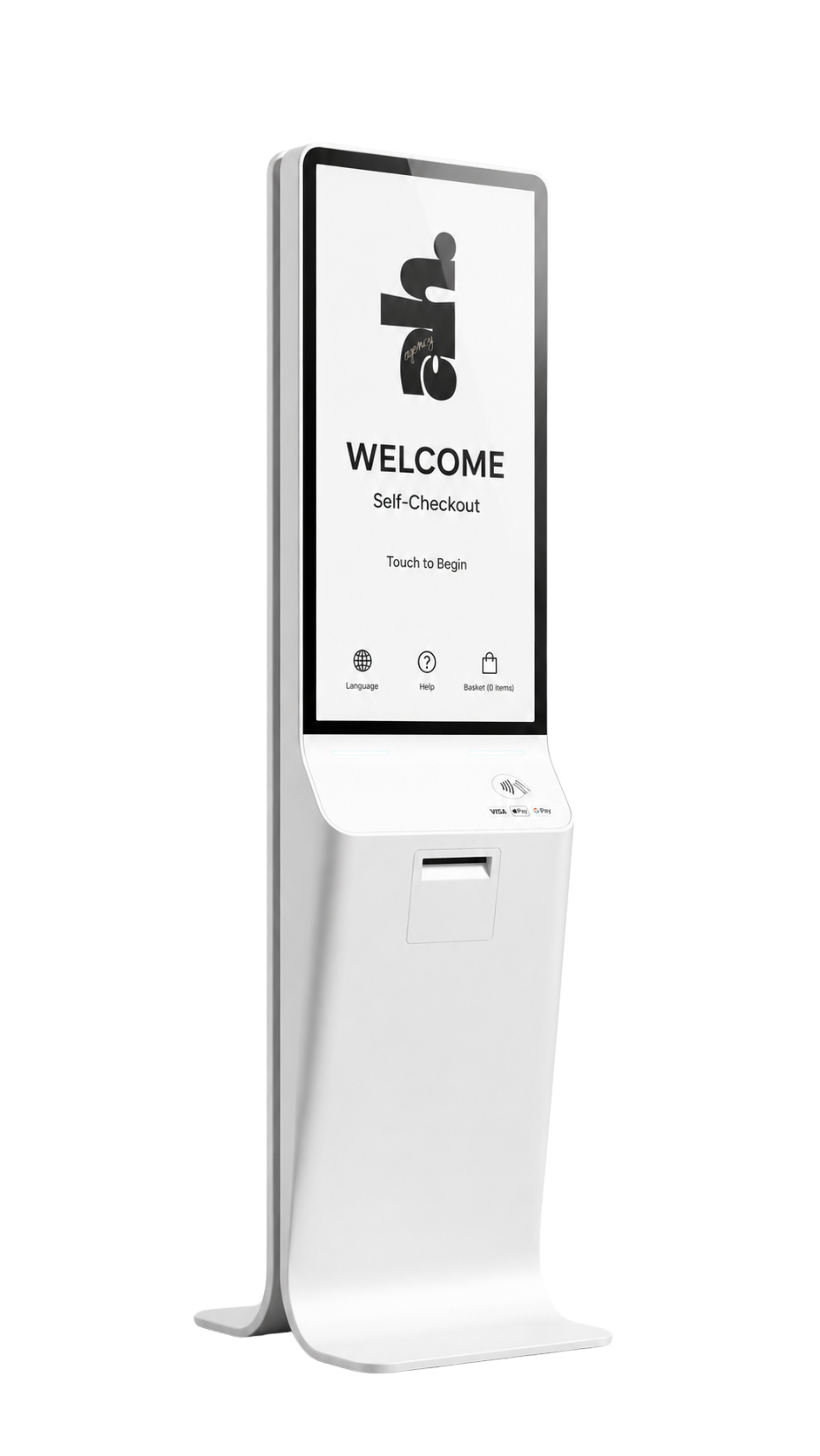
Aurum House creates digital kiosk solutions in Miami for brands that need stronger customer engagement inside the spaces where decisions happen.
Not every conversion starts on a website. Some happen in a lobby, at a checkout counter, inside a clinic, in a showroom, at an event, or beside a product display. Those moments need more than signage. They need a clear message, a useful interaction, and a branded experience that moves people closer to action.
Tell us about your goals and we'll craft a strategy.
A customer does not stop evaluating your brand when they walk through the door.
They notice the space. They read the signs. They ask questions. They compare options. They wait. They decide. They hesitate. They look for direction.
That is where digital kiosk and point-of-purchase experiences can do real work. Aurum House helps brands turn physical spaces into clearer, more useful, more conversion-ready environments.
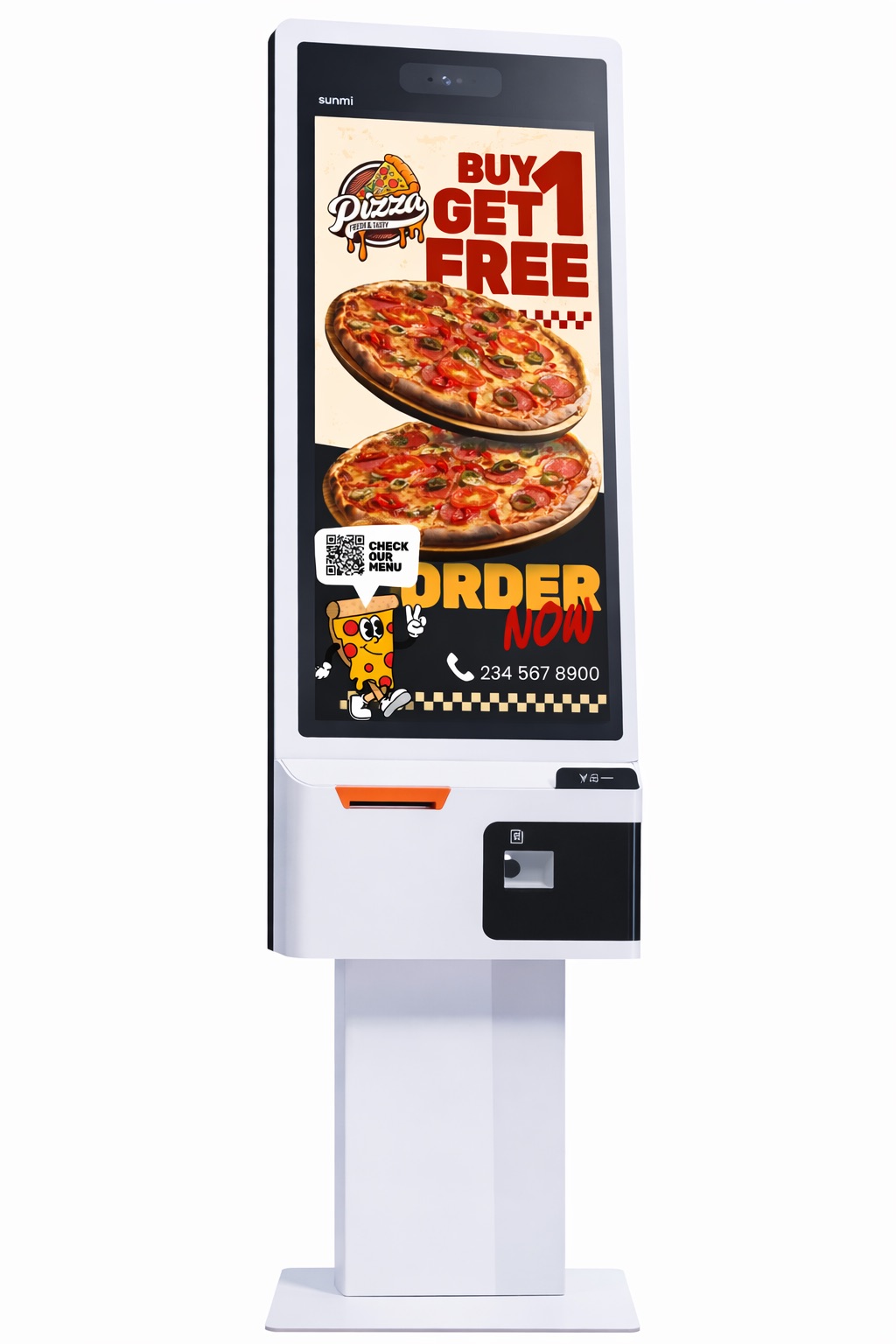
Built for businesses that want the physical experience to feel as intentional as the digital one.
A kiosk should never feel like a random piece of technology sitting in the corner. It should solve a real problem. Aurum House builds kiosk and point-of-purchase systems around the customer's next decision.
Before anything is designed, we define what the kiosk needs to accomplish. A kiosk can educate, guide, sell, capture, check in, explain, recommend, or promote. The strategy determines the function, content, interface, and placement.
This service is built for businesses with physical spaces, customer-facing teams, showrooms, waiting areas, checkout points, clinics, events, or retail environments.
For clinics, med spas, wellness centers, aesthetic practices, and health brands that need to educate patients, explain services, promote treatments, support check-in, and guide visitors toward appointments or consultations. A kiosk can answer common questions before the consultation and make high-value services easier to understand.
Adding a kiosk does not automatically improve the customer experience. If the message is unclear, the interface is confusing, the content is too long, the CTA is weak, or the placement does not match customer behavior, the kiosk becomes decoration.
Before designing the experience, we define the exact moment the kiosk needs to support. Is the customer waiting? Comparing options? Checking in? Exploring products? Choosing a service? Looking for proof? Ready to book? The answer shapes the whole experience.
Kiosk content has to be direct. People do not stand in front of a screen to read a brochure. They need short messages, clean options, simple instructions, and clear next steps. We structure the content so the experience feels useful from the first tap.
A kiosk can support more than the moment inside the location. It can connect to a form, QR code, CRM, email follow-up, booking flow, landing page, campaign, or staff workflow. That makes the in-person experience part of the larger marketing system.
The interface should match the quality of the brand. Aurum House brings brand direction, visual structure, UX writing, and conversion thinking together so the kiosk does not feel like an afterthought.
We review the physical space, customer journey, service flow, staff needs, and business goals.
We map what the kiosk should do: educate, guide, capture, promote, check in, recommend, or convert.
We organize the message, screens, prompts, service hierarchy, CTA structure, and lead capture path.
We shape the visual direction, layout, buttons, typography, color usage, icons, and screen hierarchy.
We support launch planning, content updates, campaign alignment, and recommendations for tracking.
Exact deliverables depend on the space, technology, content needs, and business goals.
A kiosk should make the customer journey cleaner, not busier. It should answer the right question at the right moment and make the next step easier.
Help customers understand services, products, packages, treatments, processes, or options.
Move visitors through choices with simple prompts, categories, comparison screens, or recommended next steps.
Collect inquiries, appointment requests, preferences, event signups, feedback, or service interests.
Highlight offers, launches, campaigns, loyalty programs, bundles, or high-priority services.
Turn in-person attention into bookings, consultations, quote requests, purchases, or digital follow-up.
Miami businesses compete on experience.
A customer may discover the brand online, but the physical interaction often decides how much they trust it. The waiting room, showroom, checkout counter, clinic lobby, retail shelf, event booth, or consultation space can either strengthen the brand or weaken it.
Aurum House helps Miami and South Florida businesses build digital kiosk and point-of-purchase experiences that make those moments sharper, cleaner, and more useful.
Digital kiosk solutions are interactive or display-based systems that help customers access information, explore services, submit inquiries, book appointments, check in, view products, compare options, or engage with a brand inside a physical location.
Point-of-purchase marketing uses displays, messaging, promotions, and digital touchpoints near the moment of purchase or decision. It helps customers understand offers, explore products or services, and take action while they are already engaged.
Kiosks can support medical and wellness practices, retail brands, showrooms, hospitality spaces, events, home service companies, professional offices, and local businesses that want to improve in-person customer experience or lead capture.
Yes. A kiosk can collect appointment requests, quote inquiries, service interests, customer preferences, event signups, and contact information. It can also connect visitors to follow-up workflows, booking pages, QR codes, or CRM systems.
A strong kiosk should include a clear purpose, simple navigation, branded interface design, concise content, helpful prompts, strong calls to action, and a defined next step such as booking, inquiry, signup, purchase, or follow-up.
Yes. Depending on the setup, kiosks can connect to landing pages, booking flows, forms, QR codes, email follow-up, CRM workflows, customer databases, or campaign tracking systems.
Aurum House focuses on the strategy, branded experience, content structure, interface direction, customer journey, and digital flow. Hardware needs can be evaluated based on the project requirements, space, and implementation partner.
A kiosk can reduce confusion, answer common questions, help customers explore options, support staff, promote offers, collect information, and make the next step easier. A strong kiosk gives customers direction without making the experience feel forced.